Advanced International Three-week Deepening Retreat
- Date
- Sunday 3. January 2027, 18:00
- Location
- Lundsholm, Värmland, Sweden
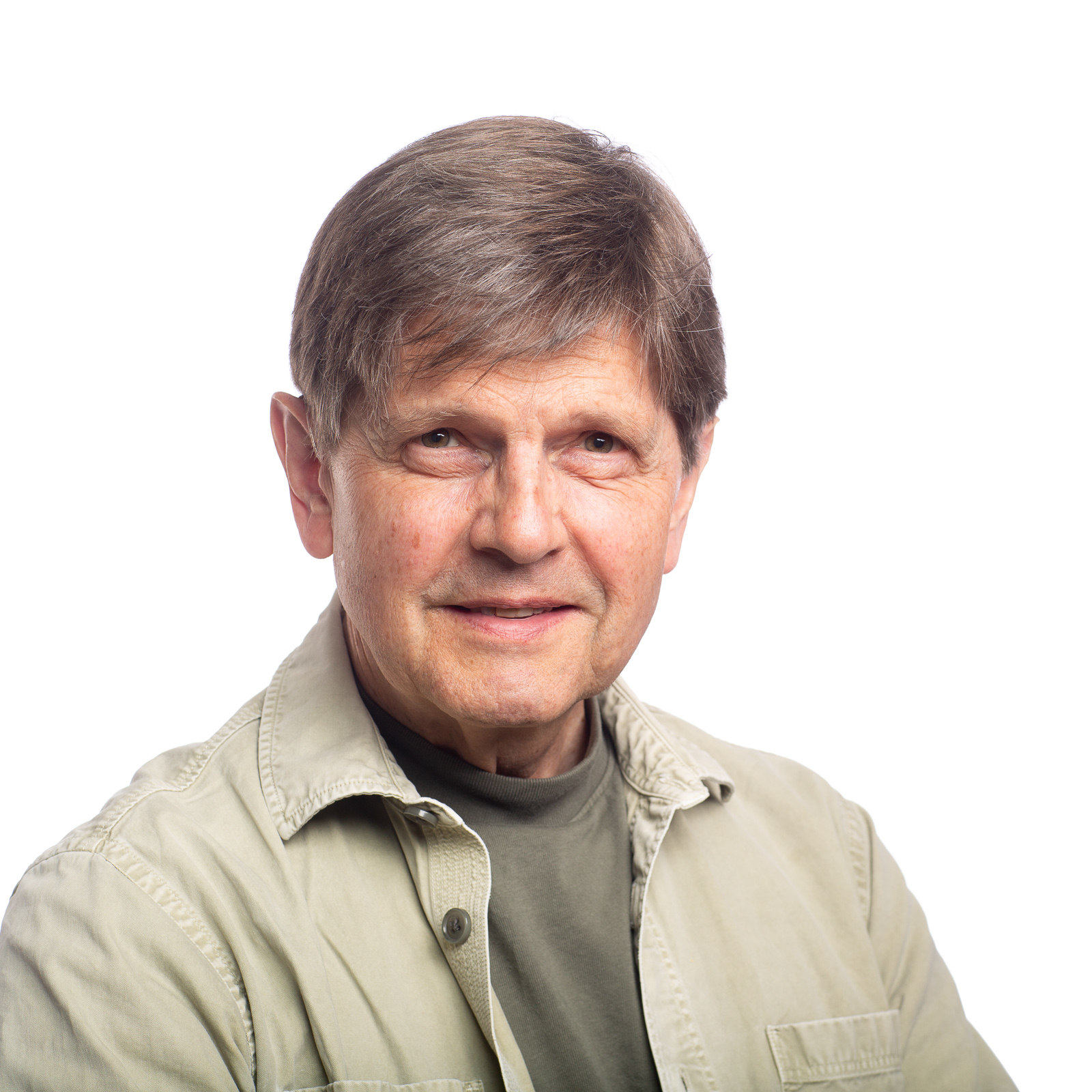
Acem Meditation Initiator. Professor emeritus of Cellular Cardiology and Consultant in internal medicine, Clinic of Cardiology, St Olav’s University Hospital/NTNU, Trondheim NO. Research on health effects of physical activity and the physiology of meditation.

– Acem Meditation and mental health

Physician and meditation initiator Øyvind Ellingsen explores how smartwatches and lifestyle choices can influence the nervous system.
Shifting the mode of the mind is a common feature of various types of meditation used for stress management and personality development. In this article, Øyvind Ellingsen discusses similarities and differences in the ways mindfulness and Acem Meditation achieve such a shift.

The brain’s natural resting state is not a void or an absence of thoughts, but a spontaneous wandering among thoughts, episodes, images and feelings (1). Usually only 50 % of us are aware of them, but if we ask people at random, we learn that we all have such activity 30-50 % of the time, also when we are preoccupied with other activities.
Meditation comprises a group of self-administered techniques aiming at mental and physical relaxation, and sometimes even self-discovery.
One of the most common reasons for taking up nondirective meditation is the need to “recharge one’s batteries.” The positive effects of meditation are often measured by the reduction of stress, fatigue, anxiety, depression, and other negative symptoms.